Andrew Bradley Home

Category

Practical Guide

20 articles

The Pre-Project Note: A Short, Honest Guide to Collaborating With You

The Pre-Project Note: A Short, Honest Guide to Collaborating With You

A one-page collaboration guide on your personal site can save you from repeating the same discovery-call speech every time. Here is how to write one that covers channels, feedback, decisions, turnaround and the awkward reset conversation without turning into a rigid rulebook.


The Bit After the Big Reveal: Making Your Handover Page Public

The Bit After the Big Reveal: Making Your Handover Page Public

Most portfolios stop at the hero image. A public handover page tells first-time clients exactly what lands on the last day — files, formats, licences and a short aftercare note — so the final week feels as considered as the launch.

Write It for the Recommender: A Plain-Spoken Referral Page

Most portfolios make it easy to get in touch and oddly hard to recommend. This is a practical case for a small referral page that gives allies the words, boundaries and next step they need — without turning your site into a sales pitch.

A Small Museum of Your Misses: Why Retired Work Belongs on the Site

A Small Museum of Your Misses: Why Retired Work Belongs on the Site

Most creatives quietly delete old projects once they stop feeling like the current version of themselves — which also deletes the proof that their taste has moved on. A short, dated archive page gives retired work a proper shelf: visible enough to show range, separate enough not to muddy the live portfolio.

A Note, Not a Policy: The Privacy Page You'd Actually Want to Read

A Note, Not a Policy: The Privacy Page You'd Actually Want to Read

Most personal sites hide a generic privacy policy at the bottom and hope no one looks. A short, plain-English note about what you collect and why can be a quiet trust signal instead. Here's how to write one in your own voice — without pretending to be a solicitor.

The Page That Answers the Question They're Too Polite to Ask

The Page That Answers the Question They're Too Polite to Ask

Most creative sites explain what a client will get. Very few explain what it will feel like to work with you. A one-screen 'how I work' page closes that gap, sets expectations in plain English, and quietly filters out the enquiries that were never going to fit.

Sign Your Work: The Quiet Case for a Credits Page

Sign Your Work: The Quiet Case for a Credits Page

A colophon used to live at the back of a book, quietly listing the typeface, the paper and the people who made it. On a creative website, that same small page can do something similar: show your working, credit your collaborators and build trust without a single trumpet blast. Here is how to make one that feels like you.

The Useful Dead End: Why Your 404 Page Deserves Better Than a Shrug

Most portfolio sites treat the 404 as a bin job. But a lost visitor is often one click from leaving for good — and a small, well-written error page can turn that moment into a warm introduction. Here is a practical UK-friendly checklist for copy, accessibility, speed, and the one link no 404 should be without.

In the Post, Not the Inbox: A Small Mailer That Earns a Second Look

In the Post, Not the Inbox: A Small Mailer That Earns a Second Look

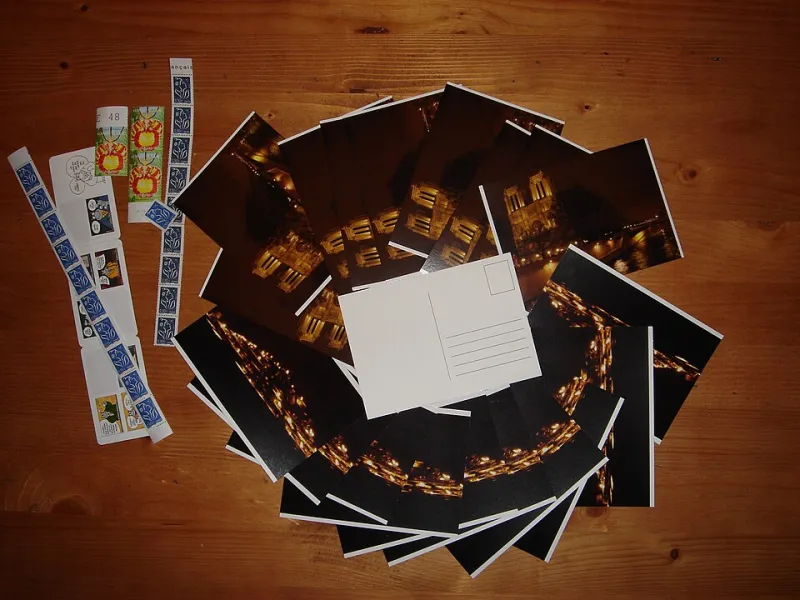
A digital portfolio is one tab among forty. A postcard is a small, physical interruption that costs less than a round of coffees and is far harder to ignore. Here is how to build a twenty-person mailing list, print something worth keeping, and post it without turning it into a project.

Thirty Seconds to Trust: A Homepage That Introduces You Properly

Thirty Seconds to Trust: A Homepage That Introduces You Properly

Your homepage is not a filing cabinet. It is the first 30 seconds of a conversation. Here is a practical UK creative's guide to passing the stranger test, with before-and-after copy and a simple structure that works for freelancers, studio leads and part-time makers.

Empty Portfolio? Build These Three Things This Weekend

Empty Portfolio? Build These Three Things This Weekend

If your portfolio feels empty, the problem is usually definition rather than talent. Here is a weekend's worth of substitute artefacts — a brand teardown, a redraft, a point-of-view note — and how to frame each so a UK client reads judgement, not filler.